
The Turbocharged Trap: Bridging the Fuel Economy Gap
In 2022, the automotive industry’s push toward “downsizing” seemed like a logical evolution (read my original analysis here): replacing larger, naturally aspirated engines with smaller, turbocharged units to meet strict fuel efficiency standards without sacrificing horsepower. The promise was “the best of both worlds,” with tiny 1.2-liter or 1.4-liter engines delivering 2.0-liter power when boosted and high MPG when cruising.
As we stand in 2026, that promise has largely collapsed into what experts call a “calculated risk” that favored regulatory compliance over engine survival. The result is an engine failure epidemic affecting over five million vehicles from giants like Toyota, GM, Honda, and Nissan.
Beyond EcoBoost: The Reliability Crisis of 2026
While early criticisms focused on the Ford EcoBoost’s failure to hit real-world MPG targets, the modern “trap” is far more dangerous, involving catastrophic mechanical failures across the industry.
- Toyota’s Tundra Turmoil: Toyota, once the gold standard of reliability, has been rocked by main bearing failures in its 3.4L twin-turbo V6 engines. These critical components, which support the crankshaft, have failed even under normal driving conditions, leading to metal contamination and total engine replacement. By late 2025, Toyota had recalled over 229,000 engines, including those in the Lexus LX600.
- Nissan’s VC-Turbo Nightmare: Nissan’s “Variable Compression” (VC) technology, which took decades to develop, has become a liability. Over 440,000 engines in the Rogue, Altima, and Infiniti QX50/QX55 are under recall for bearing defects that can lead to total engine failure. Analysts describe these complex engines as “atrocious” from a maintenance and reliability perspective.
- The “Swarf” and Tolerance Problem: A major driver of these failures is “swarf”—microscopic metal debris left behind during the manufacturing process. In older engines, these particles were harmless, but modern engines use ultra-thin oils (like 0W-8 or 0W-16) and tolerances measured in microns to reduce friction for EPA compliance. These thin oils have almost zero margin for error; a single piece of debris acts like sandpaper, destroying bearings in hours.
The Hybrid Solution: Fixing the Turbo’s Flaws?
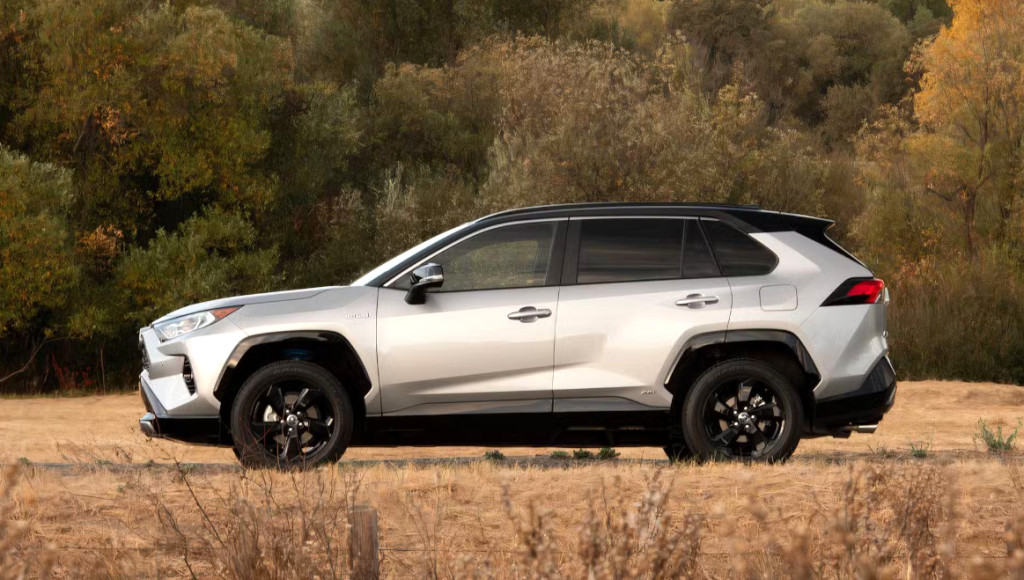
By 2026, manufacturers have increasingly turned to hybrid-turbo setups to solve the efficiency and performance gaps that pure turbo engines failed to bridge.
- Filling the Torque Gap: Turbos are most efficient at a cruise but struggle with “lag” during acceleration. Electric motors provide instant torque, allowing the engine to avoid the high-stress, low-RPM boost scenarios that place enormous loads on crankshaft bearings.
- Mitigating “Stop-Start” Damage: Standard turbo engines rely on “start-stop” technology to save fuel, which drops oil pressure to zero dozens of times per commute—a “silent killer” for bearings protected by water-thin oil. Hybrids use electric power to move the vehicle from a stop, allowing the engine to restart only when oil can be pressurized more safely.
- The Hidden Risk: Despite these benefits, hybrids are not a magic bullet. Toyota’s initial Tundra recalls excluded hybrid models, not because they were more reliable, but because the electric motor could still move the truck off the road after an engine failure, meaning it wasn’t technically a “safety concern.”
How to Survive the 2026 Engine Crisis
If you own a modern turbocharged or hybrid vehicle, the manufacturer’s recommended maintenance is often insufficient for long-term survival. Industry experts now recommend a more aggressive approach:
- The 3,000-5,000 Mile Rule: Manufacturers may suggest 10,000 or 15,000-mile oil changes to lower the “cost of ownership” on paper, but turbos destroy oil additives through extreme heat. To see an engine reach 100,000 miles without issue, oil changes every 3,000 to 5,000 miles are essential.
- Disable Start-Stop: If your vehicle allows it, disabling the start-stop feature can avoid thousands of unnecessary wear events on your bearings every year.
- Quality and Weight: Never use cheap oil or deviate from the recommended synthetic weight. However, some experts suggest moving to a slightly thicker oil (e.g., 5W-30 instead of 0W-20) once the vehicle is out of warranty to provide a better protective film for the bearings.
The “Turbocharged Trap” remains a reality in 2026. While hybrids offer a bridge to better efficiency, the underlying physics of high-pressure, small-displacement engines demand a level of care that many owners—and manufacturers—are still failing to provide.
